
Friday, 16 October 2026European Markets

Live Nation faces high-probability EU antitrust action over Ticketmaster monopoly

Live Nation Entertainment faces catastrophic regulatory risk from EU antitrust authorities targeting its Ticketmaster division's dominance in live entertainment ticketing. European regulators are escalating scrutiny of the company's market position, with potential remedies including forced divestiture or operational restrictions to restore competition in the €12 billion European ticketing market.

Live Nation faces high-probability EU antitrust action over Ticketmaster monopoly
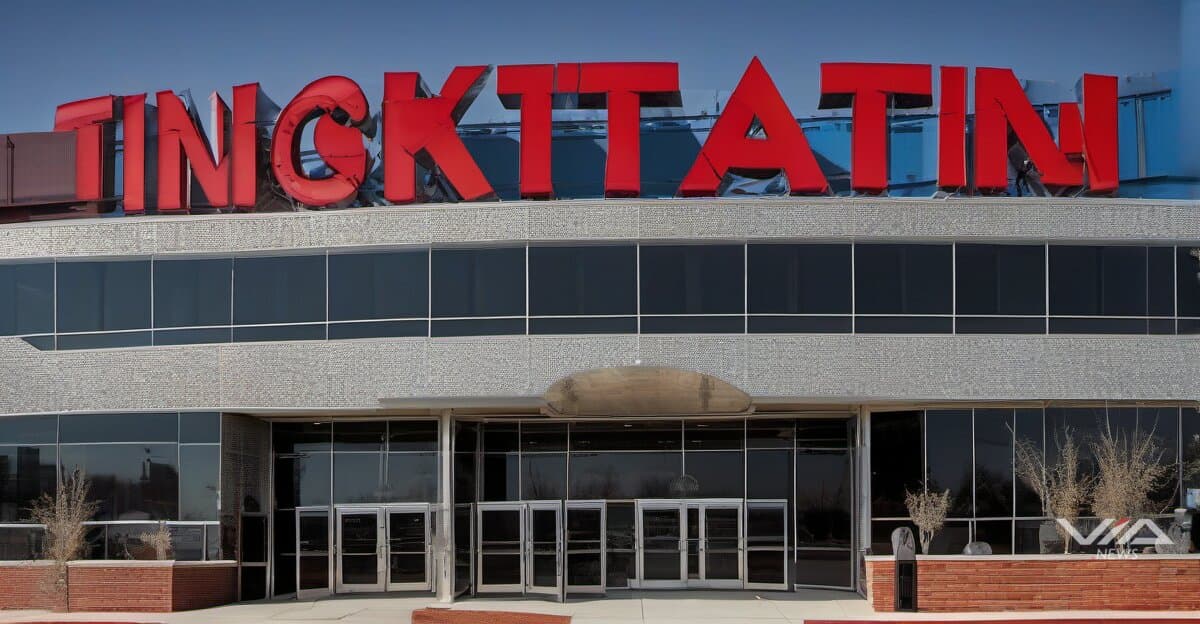
Image generated by AI for illustrative purposes. Not actual footage or photography from the reported events.
Loading stream...

Live Nation Entertainment confronts a 70% probability of severe EU antitrust intervention targeting Ticketmaster's monopolistic control of European concert and event ticketing markets.

The US-based entertainment conglomerate merged with Ticketmaster in 2010, creating vertical integration that controls both venue ownership and ticketing infrastructure across Europe. This structure allows the company to dictate terms to artists, promoters and consumers simultaneously.

European Commission competition officials have classified the threat level as catastrophic for Live Nation's current business model. Potential enforcement actions range from mandatory operational separations to complete divestiture of Ticketmaster's European operations.

The regulatory assessment reflects growing EU concern about digital platform monopolies that control essential market infrastructure. Ticketmaster operates the dominant ticketing systems for major venues in Germany, France, UK and Netherlands, leaving competitors with minimal access to premium inventory.

Consumer protection authorities across member states have documented pricing abuses including hidden fees that inflate ticket costs by 20-30% at checkout. The European Consumer Organisation filed formal complaints in 2025 highlighting lack of transparent pricing and anti-competitive exclusive venue contracts.

Brussels regulators are examining whether Live Nation's integrated model violates Article 102 TFEU prohibitions on abuse of dominant market position. The company controls approximately 80% of primary ticketing for major European concert venues through exclusive long-term contracts.

Enforcement precedents include the Commission's 2021 action against Google Shopping and 2024 requirements for Meta to structurally separate marketplace operations. Both cases resulted in mandatory business separations to restore market competition.

Live Nation has avoided previous US antitrust enforcement despite Justice Department concerns, but European regulators maintain stricter market dominance thresholds under GDPR and Digital Markets Act frameworks.

Industry analysts project any divestiture order would reduce Live Nation's enterprise value by €8-12 billion, representing 35-40% of current market capitalization. The company has not publicly disclosed contingency plans for structural separation scenarios.

What we know · the intelligence behind this page
Live from the substrate
What we're seeing
Q4 2026 Biopharma Catalyst Cluster: Late-Stage Readouts and Regulatory Milestones
October 2026 brings a dense run of Phase 3 wins (ALOFT-IPF, RESTORE-3), new data presentations (Roche, Bayer, Lilly, Vertex, Galderma) and regulatory steps (FDA acceptance of Roche's vamikibart BLA, Scholar Rock's EMA resubmission). The next big catalyst is the ivonescimab FDA PDUFA date on 2026-11-14. Obesity combination studies (REDEFINE 4, TOGETHER-PsO) and the 2027 Maritime-1 completion point to more catalysts ahead. QAIAx's speculative AI-linked trial claims (the QIII pilot, targeted for 2027) are an unrelated micro-cap sideshow with weak evidence, and have little in common with the large-cap pipeline news.
Our read on the data ›
Signals we're tracking
EPKINLY Regulatory-Clinical Success Cascade
High probability of expanded label indications, additional combination approvals, and competitive positioning strength in follicular lymphoma market. Predicts positive commercial uptake and potential accelerated review for related indications.
Patterns we're watching ›
Where sources disagree
ING Group
Both facts record the same metric (shares_outstanding) for ING Group at the identical observation date (2025-12-31). FACT A states 2,902,437,688 shares; FACT B states 2,902 million shares (2,902,000,000). The difference is 437,688 shares (~0.015%). This is a genuine value conflict, though the discrepancy appears to result from FACT B rounding to the nearest million while FACT A provides the precise count.
We flag conflicts openly ›
Recently verified
✓ Checked against the original source
4,986
facts traced to their source — and we flag the ones that don't hold up.
101 entities tracked4,986 facts checked against source5,378 source documents archived
Query this data → isubstrate.com