
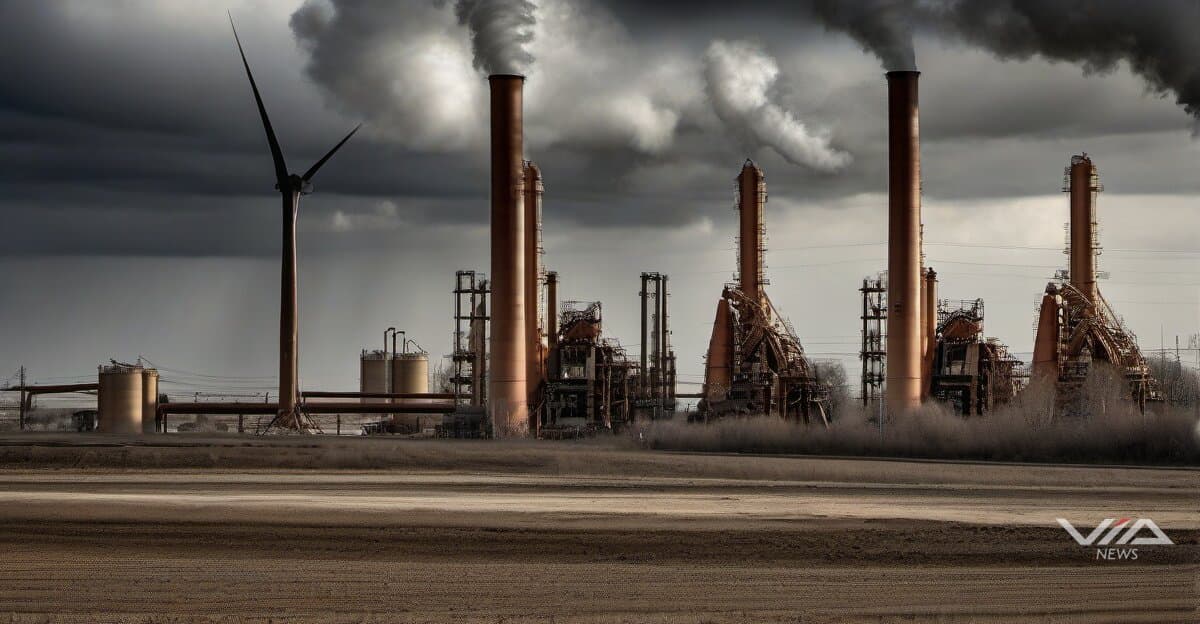
European natural gas prices surged 85% following coordinated attacks on energy infrastructure across nine countries that Western intelligence agencies have attributed to Iran. Oil prices climbed 8% above $80 per barrel as markets assessed supply risks.
The attacks targeted critical energy facilities including pipelines, storage terminals, and processing plants. European nations depend on interconnected infrastructure to distribute gas supplies, making the system vulnerable to cascading disruptions.
Germany and Poland face the most acute exposure, with both countries still working to replace Russian pipeline gas lost since 2022. LNG import terminals in northwestern Europe have operated near capacity, leaving limited buffer for supply shocks.
The price spike compounds inflation pressures across the eurozone. Energy costs feed directly into electricity prices and manufacturing inputs, threatening industrial competitiveness. Chemical and fertilizer producers have already curtailed operations in response to elevated gas prices.
EU energy ministers convened emergency talks to coordinate responses. Options under discussion include tapping strategic gas reserves, accelerating LNG import capacity expansions, and implementing demand reduction measures similar to winter 2022 protocols.
Infrastructure security has moved to the top of the policy agenda. The attacks revealed gaps in physical protection of energy facilities and monitoring of critical chokepoints. EU officials are examining requirements for enhanced surveillance and rapid response capabilities.
Supply diversification remains the longer-term imperative. European gas imports still rely heavily on a handful of export terminals and pipeline routes. Norway has increased production but cannot fill gaps from lost Russian volumes and now these attack-related disruptions.
The crisis arrives as European governments negotiate 2030 renewable energy targets. Some policymakers argue the attacks demonstrate the strategic necessity of domestic clean energy production. Others warn that accelerating fossil fuel phaseout increases transition vulnerability.
Financial markets have priced in extended elevated energy costs. European utility stocks rose 6% as power generators benefit from higher wholesale prices. Industrial manufacturers declined as investors factored in margin compression from energy input costs.
The infrastructure attacks mark the first large-scale energy security crisis since Russia cut pipeline deliveries in 2022. European energy independence remains elusive despite two years of policy focus on supply chain resilience.