
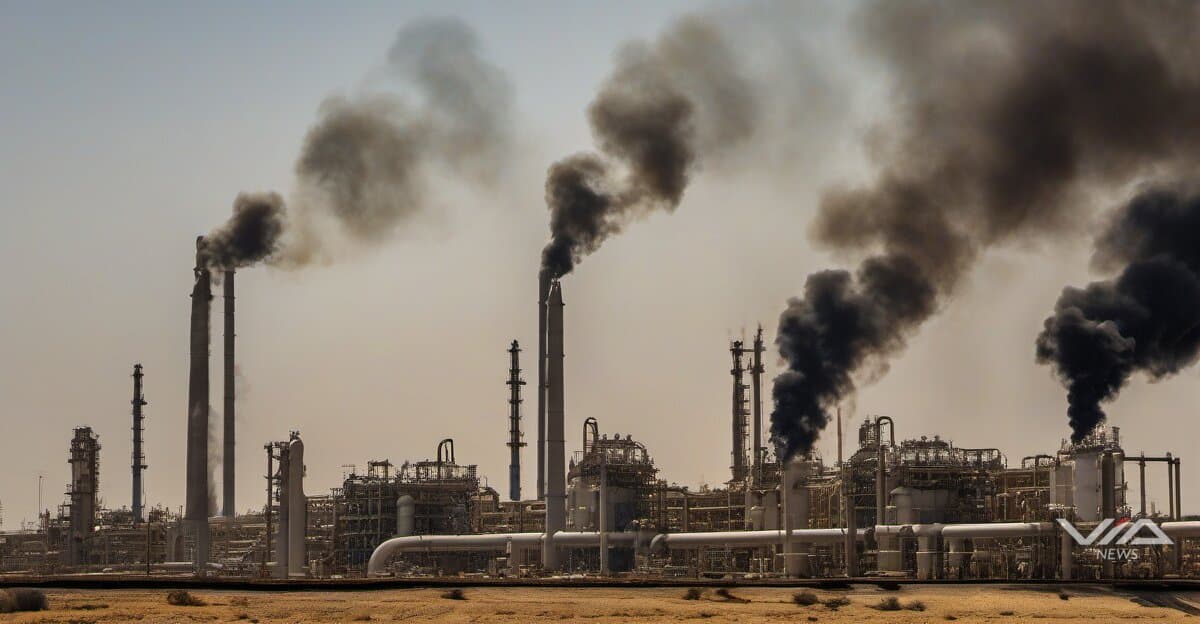
European natural gas prices spiked 85% this week after Iranian forces targeted oil and gas infrastructure in a coordinated regional assault. The attacks triggered a severe supply-side inflation shock across global energy markets.
Oil prices climbed 8% in response to the strikes, which hit facilities across multiple countries. The disruption sent equity markets into decline, with the S&P 500 falling 2.5% and Korean stocks dropping 12% as investors fled risk assets.
European utilities and industrial consumers face acute pressure from the gas price surge. The continent's energy security remains fragile despite efforts to diversify supplies since the 2022 Russia-Ukraine crisis. Storage levels, while adequate for immediate needs, offer limited buffer against prolonged supply disruptions.
The crisis is forcing central banks to confront the prospect of stagflation—rising inflation amid slowing growth. Former Fed Vice Chair Richard Clarida said a new accord could "provide a framework for the Fed working in tandem with the Treasury" to manage balance sheet reduction during economic stress.
Tim Duy, chief US economist at SGH Macro Advisors, warned that yield-curve control frameworks "explicitly tie monetary operations to deficits." Such coordination could undermine central bank independence while attempting to stabilize bond markets.
Michael Ball of Goldman Sachs noted that mapping the Fed's balance sheet reduction "to a predictable Treasury debt plan" could prevent "accidental tightening of financial conditions." Markets need clarity on liquidity and supply trajectories, he argued.
European policymakers face different constraints than their US counterparts. The European Central Bank lacks fiscal coordination mechanisms available to the Fed-Treasury relationship. National governments must navigate energy subsidies and industrial support within EU state aid rules.
Energy-intensive industries including chemicals, steel, and fertilizer production are most vulnerable to sustained high gas prices. Some facilities have already curtailed operations, with further shutdowns likely if prices remain elevated.
The timing compounds Europe's challenges. Spring demand is typically lower, but utilities must begin refilling storage for next winter. Current prices make restocking prohibitively expensive, setting up potential shortages later this year.